Guide by Vistec Gas Detection. Last updated October 2026.
Chlorine gas is the most serious gas hazard in many swimming pool plant rooms and water treatment sites. This guide is for facility managers, pool operators and maintenance teams who want to understand how a release happens, what the Irish exposure limit is, and how fixed detection should be placed and looked after.
Chlorine is a greenish-yellow gas with a pungent, irritating smell. It does not burn, but it is a strong oxidiser. It is about two and a half times heavier than air (relative density 2.47), so a release sinks and spreads along floors, into pits and down stairwells.
Chlorine is toxic at very low concentrations. The HSA’s 2026 Code of Practice for the Chemical Agents Regulations lists a 15-minute exposure limit of 0.5 ppm for chlorine, with no 8-hour value. NIOSH in the United States treats 10 ppm as immediately dangerous to life or health. Those two figures show how little gas it takes to turn a plant room into a serious incident.
Water treatment plants use chlorine and other chemicals to remove impurities, and dosing rooms are a known source of toxic gas. Honeywell’s technical guide lists chlorine alongside sulphur dioxide, ammonia, carbon dioxide and oxygen depletion as typical gas hazards in water treatment, and recommends portable multi-gas detectors for anyone entering or working in dosing rooms. Wastewater areas on the same site can also hold hydrogen sulphide, covered in our guide to H2S gas.
Most pools do not store chlorine gas. They dose sodium or calcium hypochlorite together with an acid for pH control. The UK HSE’s guidance on swimming pools, HSG179, describes the uncontrolled escape of chlorine gas after hypochlorite is accidentally mixed with acid as the most serious gas risk in pool water treatment.
HSG179 notes that most incidents happen when water circulation stops or slows but automatic dosing keeps running. Hypochlorite and acid build up in the pipework, react, and produce chlorine gas, which is then pushed into the pool hall when circulation restarts. Circulation can be lost through:
Releases also happen when one chemical is added to the wrong tank or container. HSG179 tells operators not to mix pool chemicals, even ones that look similar, and to use each chemical only in the feeder designed for it. Clear labelling of tanks, fill points and delivery procedures, plus training for anyone who handles chemicals, cuts the chance of a mix-up. Detection is the backstop that warns people if those controls fail.
Because chlorine is heavier than air, sensors are normally mounted at low level. The aim is to put them where gas is most likely to appear first and where people would be exposed. In a pool plant room that usually means:
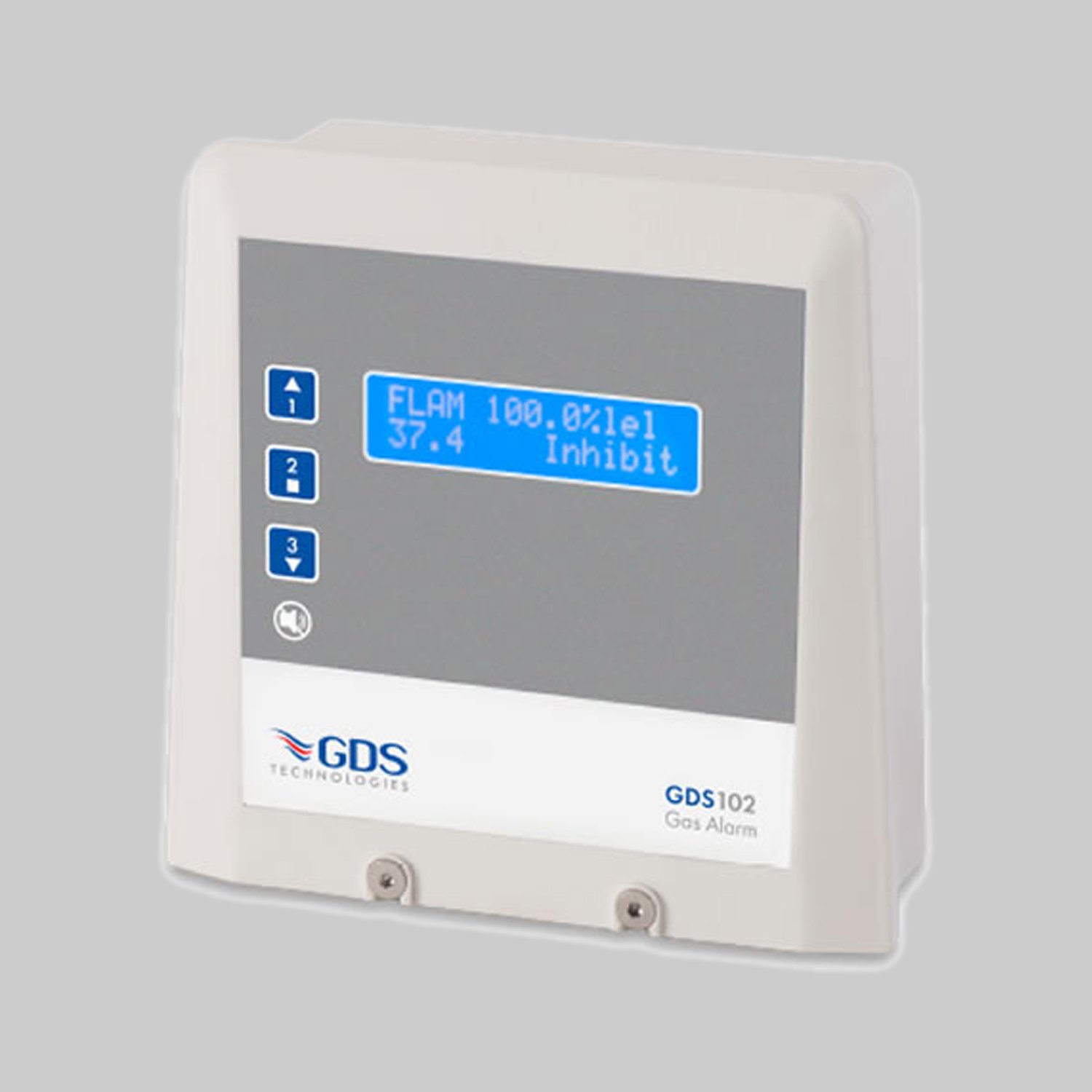
Chlorine sensors are usually electrochemical, the same technology used for most toxic gases. A fixed gas detector system connects them to a control panel with audible and visual alarms. A sounder and beacon outside the plant room door tells staff not to enter before they open it. Outputs can also stop dosing pumps or start extraction, depending on the design.
HSG179 expects an emergency action plan for a major toxic gas release, including evacuating the whole site if needed and telling the emergency services which chemicals are present. The detection system should be part of that plan, with every member of staff knowing what each alarm means.
Electrochemical sensors drift and age, with a typical life of one to three years, and the plant room environment is harsh. Each detector should be tested and calibrated with certified test gases at the interval the manufacturer sets, and alarms tested in line with their instructions. HSG179 also says alarms should be tested to the manufacturer’s instructions and suggests keeping a record of equipment and alarm checks.
A maintenance contract takes the tracking off your hands. Our customer database flags a month in advance when a service is due, so the visit is booked at a time that suits your pool timetable.
The HSA’s 2026 Code of Practice lists a 15-minute limit of 0.5 ppm for chlorine. There is no 8-hour value in the Code. Exposure should be kept as low as reasonably achievable.
Yes, about two and a half times heavier. A release sinks and collects in low areas, which is why chlorine sensors are normally mounted near the floor.
Yes. HSG179 explains that most incidents happen when circulation stops but dosing continues, so hypochlorite and acid meet in the pipework. Ask your pool engineer whether dosing is set to stop automatically when flow is lost.
Do not enter the plant room. Follow your emergency action plan, move people to fresh air and call the emergency services if anyone is affected or the release is significant.
At least as often as the manufacturer specifies, and sooner if the sensor has been exposed to gas or fails a check. Many sites put detection on a service contract so visits are never missed.
We design, install and maintain chlorine gas detection for pools, leisure centres and water treatment sites nationwide. Call 01 289 7720 or email info@vistec.ie.
© 2026 Vistec Gas Detection Ltd
Descriptions