A methane gas detector watches for natural gas leaks, and an LPG gas detector does the same for propane and butane. We supply, install and service both for boiler rooms, commercial kitchens, plant rooms and labs across Ireland, usually linked to an automatic gas shut-off valve.

Natural gas is mostly methane. Gas Networks Ireland describes natural gas as lighter than air, so it rises when released, and the International Chemical Safety Card for methane gives it a relative vapour density of 0.6, with air as 1.
LPG behaves the opposite way. The Health and Safety Authority notes that LPG is heavier than air and can collect in drains or basements. The safety card for propane gives a relative vapour density of 1.6 and warns that the gas may travel along the ground, so it can be ignited some distance from the leak. A detector in the wrong place will miss the gas completely, which is why the gas decides the design.
| Gas | Relative vapour density (air = 1) | Behaviour when released | Sensor position |
|---|---|---|---|
| Natural gas (methane) | 0.6 | Lighter than air, rises | High level, close to the ceiling above burners, meters and valve trains |
| LPG (propane) | 1.6 | Heavier than air, sinks and can travel along the ground | Low level, close to the floor and near drains, pits and basements |
Honeywell’s technical guide to gas detection advises mounting detectors for lighter than air gases such as methane at high level, preferably with a collecting cone, and detectors for heavier than air gases at low level. It also points out that leaks are most likely at valves, gauges, flanges and joints, and that detectors should sit a little way back from high pressure parts so a gas cloud can form around them.
In practice, a methane gas detector goes at ceiling level above the burners, meter and valve train, with a collector cone where the ceiling is high or the air moves. An LPG gas detector goes close to the floor, near the appliances and any low point where gas could pool. We confirm positions during a site survey, and our boiler room gas detection page shows a typical layout.
Most methane and LPG detection is set up to act, not only to warn. When gas reaches the alarm level, the panel cuts power to a normally closed gas solenoid valve on the supply and the gas stays off until the cause is found and the system is reset. We supply Madas automatic valves for natural gas and LPG, and Coster GCA 865 and 880 valves for larger DN 65 and DN 80 pipework.
In commercial kitchens and labs, gas shut-off is often combined with ventilation monitoring and gas proving. Our page on gas interlock systems explains how these work together.
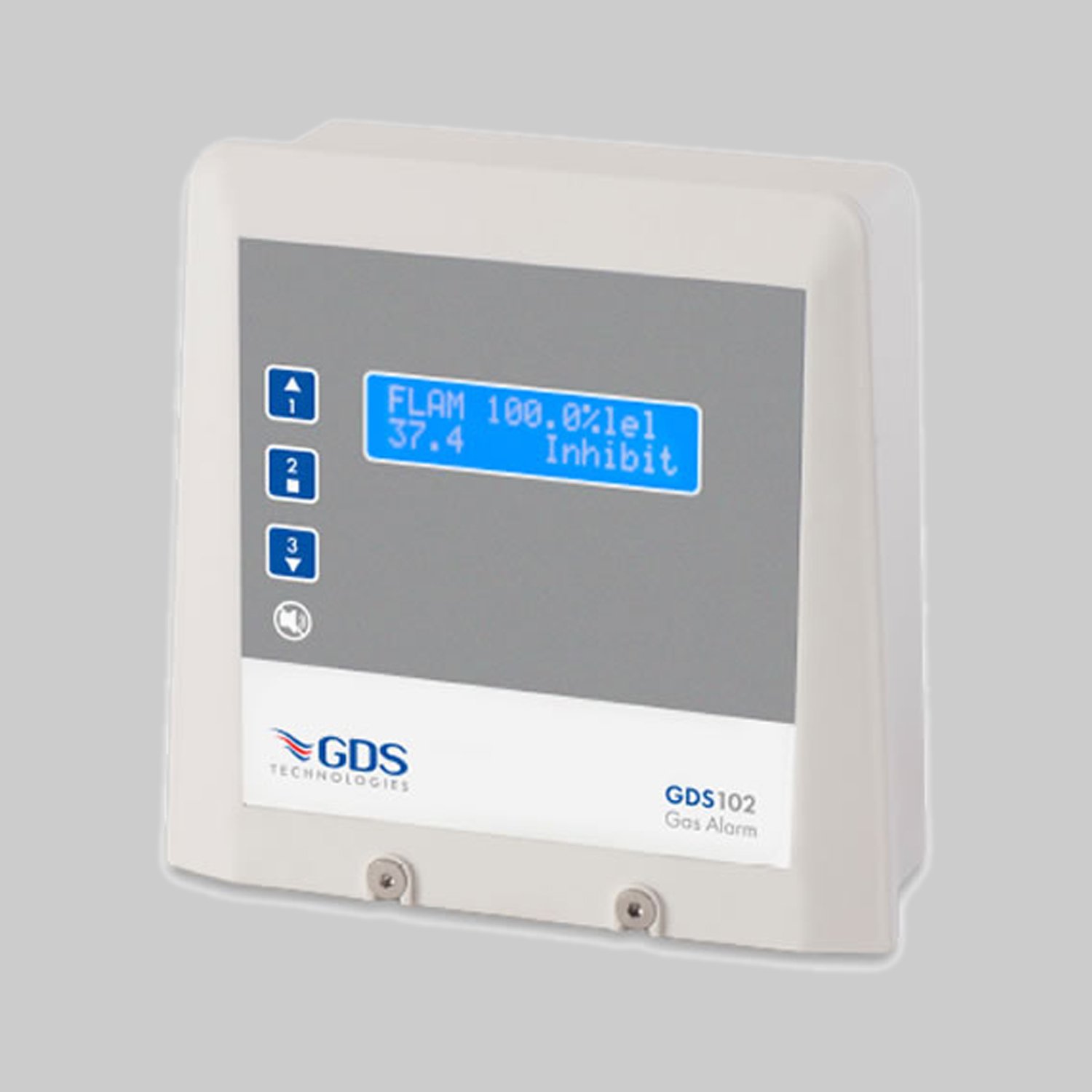
The right choice depends on how many points you need and what the panel must control. Common choices for methane and LPG detection:
We supply, install and commission the detectors, panel, alarms and shut-off valve, and train your staff on operation and on resetting after an alarm. Sensors drift with time, heat and dust, so regular calibration with certified test gases keeps the readings accurate and stops false shutdowns.
We offer maintenance contracts, one-off service visits and a rapid response call-out service on a 24-hour basis, with priority response for contract holders. Our engineers also service methane and LPG detection from many other manufacturers.
Usually not well. Even where a sensor responds to both gases, methane needs a detector at high level and LPG needs one at low level. A site with both gases normally needs a sensor in each position, calibrated for the right gas.
Alarm levels are set well below the lower explosive limit, so the system acts long before a flammable mixture forms. On the Coster RFG 653, for example, the methane alarm threshold is adjustable from 0.5 to 1.25% by volume, and the LPG threshold from 0.22 to 0.56%.
No. A carbon monoxide alarm detects CO from incomplete burning of fuel, not natural gas or LPG itself. A boiler room or kitchen usually needs both a fuel gas detector and a carbon monoxide detector.
Follow your site emergency procedure. Do not operate electrical switches or use naked flames, get people to fresh air and call the emergency services. Have the system checked before the gas is turned back on.
Yes. We are based in Blackrock, Co. Dublin, and cover sites nationwide.
Tell us which gas you use and where, and we will recommend detectors and shut-off to suit. Call 01 289 7720 or email info@vistec.ie.
© 2026 Vistec Gas Detection Ltd
Descriptions